Wandsworth Waste Disposal Laws After a Battersea Move: A Practical Guide for Residents and Landlords
Moving home in Battersea is exciting right up until you are left staring at a pile of broken boxes, old furniture, bubble wrap, and that one mystery chair nobody admits owning. Wandsworth waste disposal laws after a Battersea move can feel straightforward at first, but the rules around what goes where, when to use council services, and how to avoid fly-tipping penalties are worth understanding before the van arrives. This guide explains the practical side of post-move waste in plain English, so you can clear out your old place responsibly and settle into your new one without a messy headache.
If you are planning a move, it also helps to think beyond the rubbish bag. A smooth move usually needs proper packing, a sensible vehicle, and a plan for bulky or awkward items. Services like home moves, man and van, and packing and unpacking services can make the whole process cleaner and less stressful from day one.
Table of Contents
- Why Wandsworth waste disposal laws after a Battersea move Matters
- How Wandsworth waste disposal laws after a Battersea move Works
- Key Benefits and Practical Advantages
- Who This Is For and When It Makes Sense
- Step-by-Step Guidance
- Expert Tips for Better Results
- Common Mistakes to Avoid
- Tools, Resources and Recommendations
- Law, Compliance, Standards, or Best Practice
- Options, Methods, or Comparison Table
- Case Study or Real-World Example
- Practical Checklist
- Conclusion
- Frequently Asked Questions
Why Wandsworth waste disposal laws after a Battersea move Matters
Once the boxes are stacked and the keys are handed over, waste becomes more than just clutter. In Wandsworth, like elsewhere in London, how you dispose of rubbish after moving matters because household waste, bulky waste, electrical items, and trade-style clearances all sit in different buckets legally and practically. That is where a lot of people get caught out. A black bag left beside a full street bin may feel harmless at 8 a.m., but if it is not placed correctly for collection, it can become a council issue very quickly.
For Battersea movers, the main reason this matters is simple: moving day creates unusual amounts of waste. Old wardrobes, unwanted mattresses, packaging materials, garden cuttings, broken appliances, and leftover paint pots can easily pile up. If you leave everything to the last minute, you may end up with a rushed decision, and rushed decisions are how people accidentally overfill bins, dump items in the wrong place, or pay more than they needed to.
There is also a neighbourly side to it. In terraces, mansion blocks, and converted flats around Battersea, shared entrances and tight pavements make waste more visible. A neat clearance is not just tidy; it is considerate. You will notice that buildings feel calmer when the aftermath is handled properly. Less smell, less clutter, less awkwardness with the next person moving in. Everyone wins, really.
Expert summary: The safest approach after a Battersea move is to separate ordinary household rubbish, bulky items, reusable goods, and special waste before you decide on collection, reuse, or removal. That one habit prevents most problems.
How Wandsworth waste disposal laws after a Battersea move Works
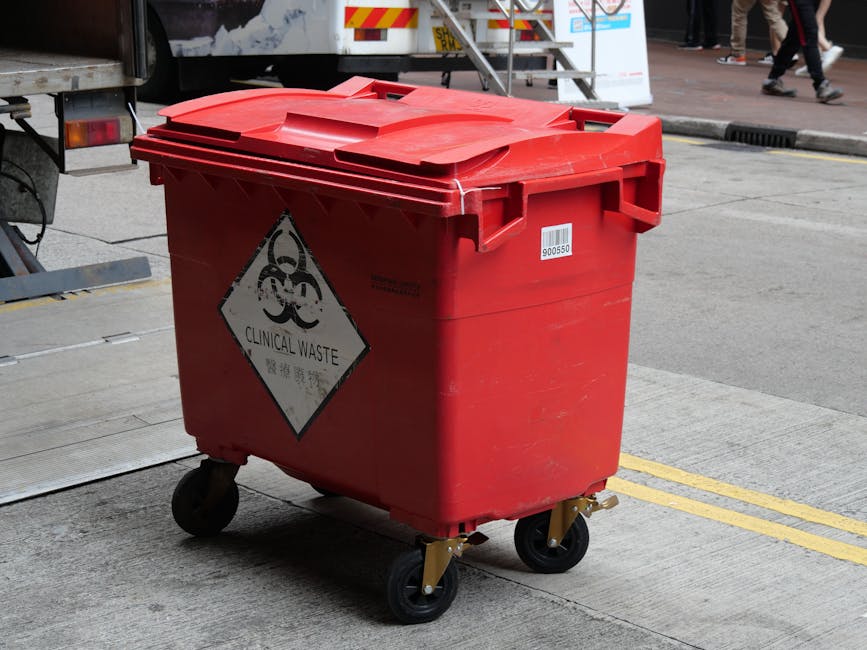
Think of post-move waste in layers. First, there is standard household rubbish: food packaging, torn paper, general junk, and small bits that fit your normal bin service. Then there is bulky waste: furniture, mattresses, wardrobes, broken chairs, shelving, and similar items that are too large for ordinary collection. Finally, there is specialist waste such as electricals, paints, chemicals, and certain DIY materials, which should be handled carefully rather than simply chucked out with the rest.
In practice, Wandsworth residents usually need to follow three broad principles. Dispose of waste through approved routes, keep pavements and shared spaces clear, and avoid leaving items where they might be treated as fly-tipped material. That sounds obvious, but during a move it is surprisingly easy to forget. A sofa left beside a bin store for "just one night" can become your responsibility if it is not collected or moved correctly.
A Battersea move can also create mixed waste from both the old and new address. For example, you may be leaving behind a damaged bed frame but arriving at a flat that needs old shelves dismantled before they can go out. That is why good movers and careful packing matter. If you need a vehicle for larger loads, a moving truck or removal truck hire can help shift items in a controlled way rather than turning your hallway into an obstacle course.
There is a practical reality here too: local rules are one thing, building rules are another. Managed blocks often have their own rubbish store arrangements, collection days, and restrictions on leaving bulky items. Households in Battersea should check both the council approach and the building's own instructions. If you skip that step, you may be technically compliant with one rule and still annoy the building manager. Not ideal.
Key Benefits and Practical Advantages
Handling waste properly after a move is not just about avoiding fines. It makes the rest of the process smoother, cheaper, and less tiring. In our experience, the people who sort waste early tend to unpack faster, clean more efficiently, and feel settled sooner. It sounds small. It is not small.
- Cleaner handover: A tidy old property reduces disputes and makes inspections easier.
- Lower risk of penalties: Proper disposal avoids the hassle of council enforcement or landlord complaints.
- Less stress on moving day: If rubbish is pre-sorted, the move feels more controlled.
- Better reuse outcomes: Good furniture, books, appliances, and household items can often be reused or donated rather than thrown away.
- Safer loading and unloading: Fewer loose items around doorways means fewer trips, scratches, and bruised shins. Moving day has enough chaos already.
There is another benefit that people underestimate: space. Once the junk is gone, you can actually see what still needs to be done. That matters when deciding what to keep, what to sell, and what should be removed with a furniture collection service such as furniture pick up. It is much easier to make calm decisions with a cleared room than with five half-packed bags and a dusty mattress in the corner.
Who This Is For and When It Makes Sense
This topic is relevant for more people than you might expect. If you have just moved into Battersea, are leaving a rental in Wandsworth, or are helping a family member clear a flat, you need to know how the waste rules affect the leftover items.
It especially makes sense if you are:
- a tenant trying to avoid deposit deductions
- a homeowner clearing out before sale or renovation
- a landlord preparing a property for new occupants
- a small business owner moving premises within Wandsworth
- an office manager dealing with unwanted desks, chairs, or packaging
- someone with bulky or awkward items that cannot go in normal bins
Commercial moves have their own complications. Office waste, old furniture, archive boxes, monitors, and packaging can create more volume than a domestic move. If that sounds familiar, commercial moves and office relocation services are often the better fit than trying to improvise with a couple of cars and good intentions. Truth be told, "we'll sort it later" is how things get left in hallways for two weeks.
Step-by-Step Guidance
Here is a practical way to handle post-move waste in Battersea without overcomplicating it.
- Walk the property room by room. Make a note of everything you do not want to take. Do not forget lofts, under-bed storage, cupboards, and the back of the boiler cupboard. Those places hide a lot.
- Split items into categories. Keep household rubbish, reusable goods, bulky furniture, electricals, and specialist waste separate. This saves time later and stops accidental contamination of recyclable items.
- Check what can be reused. Good-quality furniture, mirrors, lamps, and kitchenware may be suitable for resale, donation, or collection. If something still has life left in it, do not bin it too quickly.
- Decide what needs collection versus transport. Smaller mixed loads may suit a flexible service like man with van, while larger household or office clearances may need a bigger vehicle.
- Book removal help early. If you know there will be mattresses, wardrobes, or multiple boxes, arrange collection before moving day gets hectic. The end of a move is rarely when people are at their most organised.
- Keep walkways clear. Store waste and packed items so they do not block exits or shared areas. This is especially important in flats and narrow Battersea streets.
- Dispose of specialist items properly. Anything unusual should be handled with care. If in doubt, ask before you move it out. A little pause is better than a wrong disposal.
- Do a final sweep. Check cupboards, behind doors, the top of wardrobes, and the bathroom shelf. It is always the smallest thing that gets forgotten.
For many households, the best move is to combine removal and sorting. Packing services can help prevent waste from being mixed in with keepers, which means fewer mistakes and less backtracking. That is why some people pair clearance with packing and unpacking services when they want a cleaner, calmer move.
Expert Tips for Better Results
There are a few small habits that make a big difference.
1. Label waste as you pack. If you know a box is going straight to recycling, write that on the side. If it is for donation, make that clear too. It saves time on move-out day and stops items being opened and re-sorted later, which nobody enjoys.
2. Keep one "last load" area. Set aside a single corner for waste, returns, and final clearance items. That way, you are not chasing loose bits of packaging from room to room. There is enough moving dust in the air already.
3. Don't mix broken items with reusable ones. Once food waste, liquid residue, or damage gets involved, usable items become harder to pass on. A clean item has more options. A grimy one... not so much.
4. Consider vehicle size carefully. People often underestimate how much post-move waste fills up a van. If you are shifting furniture plus rubbish, a larger vehicle can be the more efficient choice. That is where a man and van service can be handy for smaller jobs, while bigger clear-outs may point toward removal truck hire.
5. Use your move as a declutter reset. Be honest about what still earns its place. If you have not used it in years and it does not have sentimental value, maybe it is time. Moving gives you a rare, brutal kind of clarity.
Common Mistakes to Avoid
Most problems after a Battersea move come from the same handful of mistakes. The good news is that they are easy to avoid once you know what to watch for.
- Leaving bulky items outside without a confirmed collection. This is one of the quickest ways to create a complaint or a fly-tipping problem.
- Assuming all rubbish can go in the same bag. Not every item belongs in a standard bin. Electricals, liquids, and awkward materials need more thought.
- Forgetting building rules. Some blocks have very clear instructions on bin storage, collection times, and bulky waste placement.
- Waiting until the final hour. Waste planning is easiest before the keys change hands, not when you are already exhausted and staring at the stairs.
- Overfilling shared bins. A full bin is not an invitation to start balancing black bags around it. That quickly becomes everybody's problem.
- Dumping items in a public area. Even if the item is clearly unwanted, it still needs a proper route out. "Someone will take it" is not a disposal plan.
A small but common example: someone moves from a Battersea flat on a rainy Thursday evening, places a dismantled wardrobe beside the bin area, and assumes it will vanish by morning. By Friday, it is still there, slightly damp, irritating everyone. A simple pre-booked removal would have avoided the whole thing. Sometimes the cheap option is the one that turns expensive in patience.
Tools, Resources and Recommendations
You do not need a complicated toolkit, but a few basics make waste handling much easier.
- Marker pens and labels: Useful for separating keep, donate, recycle, and dispose piles.
- Heavy-duty bags and boxes: Strong packaging reduces breakages and spills during the final clear-out.
- Basic dismantling tools: A screwdriver or Allen key helps with flat-pack furniture and bed frames.
- Gloves: Handy for handling dusty loft items, broken packaging, or sharp edges.
- Protective wrap: Keeps reusable furniture and appliances cleaner if they are being moved or stored.
If you are in the middle of a bigger move, it can also help to use a service that handles the physical load cleanly and efficiently. Depending on your situation, you might want a full house move through house removalists or a more flexible local option like home moves. For some households, that mix of planning and transport is the difference between a tidy exit and a long, annoying weekend of back-and-forth.
And one more practical note: if you have large items that still have life in them, do not automatically treat them as waste. A furniture collection approach can sometimes be more sensible than straight disposal, especially for usable sofas, tables, or storage units.
Law, Compliance, Standards, or Best Practice
Waste and disposal rules are one of those areas where people tend to wing it, then regret it later. In England, householders and businesses are expected to dispose of waste responsibly and to use lawful, appropriate routes for different waste types. For a Battersea move, that usually means following Wandsworth's local arrangements, respecting building instructions, and never leaving items where they may be treated as dumped waste.
It is also worth remembering that responsibility does not disappear just because an item has been taken outside. If waste is placed improperly and causes obstruction, complaint, or environmental harm, the person who left it there may still be accountable. That is why a clean, planned approach is the best practice, not just the safest one.
For businesses, the standard is even higher. Office clearances and commercial moves can involve mixed waste streams, data-bearing equipment, and furniture that needs careful handling. If you are relocating a workplace, using a structured service such as commercial moves is usually a better compliance choice than treating office waste like ordinary home rubbish. Different context, different expectations.
Best practice usually looks like this:
- separate waste streams before collection
- keep evidence of what is being removed, if relevant for landlords or businesses
- avoid blocking communal areas, streets, or access routes
- use suitable removal methods for bulky, electrical, or specialist items
- check the property's own rules, especially in managed blocks
If you are ever unsure, pause and ask for guidance before moving the item. That tiny delay is a lot cheaper than sorting out a bad disposal later.
Options, Methods, or Comparison Table
Not every moving situation needs the same waste solution. Here is a simple comparison to help you decide what fits best.
| Option | Best for | Pros | Watch out for |
|---|---|---|---|
| Normal household bin collection | Small amounts of everyday rubbish | Simple, familiar, low effort | Not suitable for bulky or specialist items |
| Bulky item collection or furniture removal | Sofas, beds, wardrobes, large household items | Cleans up space quickly, practical for moves | Needs good timing and clear item prep |
| Man and van clearance | Mixed small-to-medium loads | Flexible, useful for awkward access, often efficient | Capacity is limited compared with larger trucks |
| Removal truck hire | Larger clear-outs or full-property moves | Better for volume, fewer trips, more organised | Can be more than you need for a small job |
| Pack, move, and unpack support | People who want less mess and fewer errors | Better sorting, less accidental waste mixing | Costs more than doing it all yourself |
For many Battersea residents, the sweet spot is a balanced approach: a smaller move with a man with van service, plus a separate plan for bulky waste or furniture pick up. If the move is more complex, larger-scale transport may be the calmer route. To be fair, calm is underrated on moving day.
Case Study or Real-World Example
A typical Battersea example goes like this. A couple move out of a two-bedroom flat near a busy road, and the new property is only a few streets away. They have a bed frame, a damaged chair, six boxes of old books, and a stack of packaging from flat-pack furniture. At first they plan to "just sort it after the move", which is the kind of phrase that feels harmless until it is 9 p.m. and there are still cardboard sheets by the front door.
Instead, they split everything before moving day. The books are boxed for keeping or donation, the chair is marked for removal, the cardboard goes into a recycling pile, and the bed frame is dismantled in advance. A small van handles the transport, while the unwanted furniture is collected separately. The result is simple: less clutter, fewer trips up and down stairs, and no awkward leftover pile sitting in the hallway while the lease inspection looms.
That is the point, really. A better waste plan is rarely dramatic. It just removes friction. And after a move, removing friction is almost a luxury.
Practical Checklist
Use this quick checklist before and after your Battersea move.
- Sort items into keep, donate, recycle, and dispose piles
- Identify bulky items early, especially furniture and mattresses
- Check your building's bin and collection rules
- Separate electrical items and specialist waste from ordinary rubbish
- Arrange transport or clearance before moving day
- Keep shared areas, pavements, and entrances clear
- Label boxes and bags clearly
- Do a final room-by-room sweep before leaving
- Use the right vehicle size for the volume you have
- Confirm that anything left behind is legally and practically ready for collection
If you want a more streamlined move from the start, it can also help to speak with a team that understands both transport and clearance. You can explore the company background on about us or get in touch through contact us when you are ready to plan the move properly.
Conclusion
Wandsworth waste disposal laws after a Battersea move are really about one big idea: keep your waste legal, practical, and respectful of the space around you. If you separate items early, check the property rules, and choose the right removal method, the whole process becomes far easier. No chaos. No last-minute dumping. No awkward calls from neighbours or landlords asking what on earth is sitting by the bin store.
The best move-out routine is usually the simplest one: sort, label, remove, and double-check. If you do that, you will leave your old place in good shape and walk into your new one with a lot less mental clutter. That feels good. Better than good, actually.
Get a free quote today and see how much you can save.
Frequently Asked Questions
What are the main waste disposal rules after moving out of a Battersea property?
The main rule is to dispose of waste responsibly and use the correct route for each type of item. Everyday rubbish can usually go through normal household collection, but bulky furniture, electricals, and specialist items need separate handling. Do not leave items in shared areas or on the street unless they are properly arranged for collection.
Can I leave old furniture outside my flat for collection?
Only if it is part of an arranged and permitted collection process. Leaving furniture outside without a confirmed plan can be treated as fly-tipping or an obstruction. In Battersea, where shared spaces can be tight, this is especially risky.
What should I do with broken boxes, packaging, and moving waste?
Flat cardboard, paper, and clean packaging are usually best separated for recycling, while dirty or contaminated packaging may need general waste disposal. Break boxes down first so they take up less space. It sounds basic, but it saves a surprising amount of room.
Are there special rules for mattresses and sofas in Wandsworth?
Yes, bulky items like mattresses and sofas usually need a separate disposal method rather than ordinary bin collection. They are awkward, large, and often subject to different collection arrangements. Check in advance so you are not left with a very large problem on move day.
What happens if I dump waste after moving?
Illegal dumping can lead to complaints, enforcement action, or costs linked to removal. Even if the item feels small or temporary, it can still be treated as abandoned waste. The safest approach is always to use a proper disposal or collection route.
Can a man and van service help with rubbish after a move?
Yes, for small to medium loads a flexible service can be useful, especially when you have mixed items to move and clear. A man and van option works well for many local moves, though very large clearances may need a bigger vehicle.
What is the difference between moving waste and commercial waste?
Household move waste usually comes from domestic items such as furniture, boxes, and general clutter. Commercial waste can include office furniture, equipment, and materials from a business relocation. The handling expectations are different, so office or business removals are best planned separately.
How can I reduce waste before moving day?
Start by decluttering early. Sell, donate, or recycle anything you do not need, and only pack what you actually want to take with you. If you are using packing and unpacking services, that process often becomes much easier because items are sorted more methodically.
Is it cheaper to handle move waste myself?
Sometimes, yes, but only if the amount is small and you already have the time, transport, and disposal options lined up. If you are dealing with bulky items or a lot of waste, the hidden cost is usually time, stress, and extra trips. Cheap is not always cheap, if you know what I mean.
What should landlords in Battersea check after a tenant moves out?
Landlords should check for leftover waste, abandoned furniture, blocked bin areas, and any items that may need lawful removal before re-letting. It is also sensible to document what is left behind so responsibility is clear. A quick inspection can save a lot of back-and-forth later.
Do I need a larger vehicle for post-move waste removal?
If you have several bulky items, lots of bags, or furniture to remove alongside your move, a larger vehicle may be the better option. It reduces trips and keeps everything more organised. For some moves, removal truck hire is simply the cleaner answer.
Where should I start if I want help with the move itself?
Start by deciding what is being kept, what is going, and what needs transport. Then choose the most suitable service for the load and the access conditions. If you need a broader service view, home moves is a useful place to begin for domestic relocations, especially when waste and packing are part of the same job.