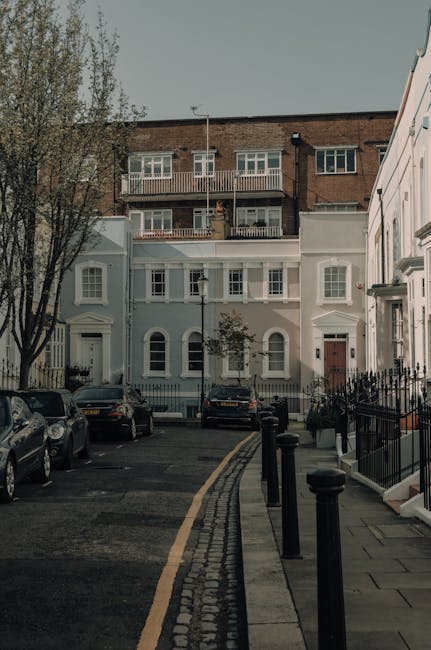
Victorian terrace move on Battersea Park Road case study
If you have ever stood in the hallway of a Victorian terrace and thought, "How on earth is all this going to fit out of here?", you are not alone. A Victorian terrace move on Battersea Park Road case study is useful because it shows how a real-world London move has to work when period features, narrow stairs, controlled parking, and busy streets all collide. Battersea is lovely, of course, but it is not the kind of place where you can just reverse a van up to the door and hope for the best.
In this guide, we break down what a terrace move like this typically involves, why the local details matter, where the risks usually appear, and how to plan the process sensibly. You will also find practical checklists, comparison points, and a grounded explanation of the steps that make moving day calmer. To be fair, most problems are avoidable once you understand the shape of the job.
Table of Contents
- Why Victorian terrace move on Battersea Park Road case study Matters
- How Victorian terrace move on Battersea Park Road case study Works
- Key Benefits and Practical Advantages
- Who This Is For and When It Makes Sense
- Step-by-Step Guidance
- Expert Tips for Better Results
- Common Mistakes to Avoid
- Tools, Resources and Recommendations
- Law, Compliance, Standards, or Best Practice
- Options, Methods, or Comparison Table
- Case Study or Real-World Example
- Practical Checklist
- Conclusion
- Frequently Asked Questions
Why Victorian terrace move on Battersea Park Road case study Matters
Victorian terraces are a very specific moving challenge. The houses often look elegant from the street, but behind the facade you can get steep staircases, compact landings, awkward door widths, and original features that you really do not want scratched on the way out. A Battersea Park Road move adds another layer: traffic, loading restrictions, local parking pressure, and the simple fact that timing matters more than people expect.
That is why a case study approach is helpful. It stops the move sounding abstract. Instead of "how do you move a terrace house?", the question becomes, "what actually needs to happen on a real Battersea street on a real moving day?" That shift matters. It helps you plan better, budget more honestly, and avoid the kind of last-minute scramble that turns a routine move into a minor disaster.
There is also a trust angle here. If you are comparing removal options, you want evidence that a company understands local access, building types, and the practical realities of SW11. A good case study shows more than promise; it shows process. And process is where the difference is made.
How Victorian terrace move on Battersea Park Road case study Works
A terrace move on Battersea Park Road usually starts long before the van arrives. First, the property layout has to be understood. Where are the tight corners? Is there a basement? Are there original sash windows, narrow hallways, or a loft conversion with a difficult stair angle? These details matter because they influence what can be moved safely by hand, what needs extra wrapping, and whether larger furniture should be dismantled in advance.
Next comes access planning. In London, the actual route from front door to vehicle can be the whole game. A move may be simple inside the house but awkward outside if parking is distant or the road is congested. That is why movers often plan around vehicle size, carrying distance, and the time of day. A small delay near Battersea Park Road can snowball quickly. One parked car in the wrong place and, well, the whole rhythm changes.
Then comes packing and protection. Victorian properties often contain a mix of heavy furniture and fragile pieces with sentimental value. Think mirrors, sideboards, bookcases, artwork, and those oddly shaped items that never quite fit into a standard box. Professional packing, or at least a disciplined packing system, reduces risk and keeps the move moving. If you want a broader overview of home-moving support, the home moves page gives a useful sense of the service range available for domestic relocations.
Finally, there is the physical move itself. A successful terrace relocation is usually about sequencing: protect the property, move bulky items first, keep walkways clear, and make sure the final rooms are unloaded in the right order. It sounds obvious. In the moment, it never is.
Key Benefits and Practical Advantages
The biggest benefit of treating this as a case study rather than a generic move is clarity. You can see the moving parts, forgive the phrase, and understand where the effort needs to go.
- Better planning: you can anticipate access issues before anyone lifts a sofa.
- Less damage risk: period staircases, bannisters, and narrow hallways stay better protected.
- More accurate budgeting: the move can be scoped around labour, vehicle size, and packing needs.
- Smoother timing: local road conditions and loading windows are handled in advance.
- Less stress on the day: everyone knows the sequence, which is half the battle.
There is also a practical confidence boost. Once you know how a Battersea terrace move is likely to unfold, decision-making becomes easier. Do you need full packing? Can the wardrobe be dismantled? Is there room for a larger truck, or would a smaller vehicle with multiple runs be smarter? These are ordinary questions, but they make a huge difference.
For some homes, the answer is not "more muscle" but "better coordination". That is the bit people miss.
Who This Is For and When It Makes Sense
This kind of move guidance is especially useful if you are:
- moving from a Victorian terrace or townhouse in Battersea
- dealing with awkward stairs, tight front rooms, or limited hallway space
- trying to move on a busy road with parking pressure
- comparing removal options for a house move, flat move, or partial clear-out
- planning around school runs, work commitments, or a fixed completion date
- worried about protecting period features or bulky furniture
It also makes sense if you are in the decision stage and want to know what kind of help is actually worth paying for. Some people only need a vehicle and loading support. Others need packing, dismantling, and careful handling of furniture that cannot simply be dragged through a tight staircase. Truth be told, that choice is often clearer once the property has been looked at properly.
If your move is happening alongside a clearance, a renovation handover, or a landlord check-out, the process gets even more layered. In those cases, a broader service menu can help. You can also look at practical moving support such as man and van options when the job is smaller or more flexible.
Step-by-Step Guidance
Here is the cleanest way to think about a Victorian terrace move on Battersea Park Road.
1. Survey the property properly
Start with the house, not the van. Measure stair turns, doorways, and any awkward furniture pieces. Make a note of anything that will need dismantling or special wrapping. A quick walkthrough can prevent a lot of guesswork later.
2. Check parking and access
Parking is not an afterthought in Battersea. It is part of the move. Decide where the vehicle can stop, how far items will need to be carried, and whether the street layout creates any bottlenecks. If you are near busier routes or tighter side roads, the access plan matters even more.
3. Sort, reduce, and label
Before the moving day, declutter ruthlessly. Keep, donate, recycle, or discard. A little less stuff means less time, less lifting, and fewer headaches. Label boxes clearly by room and priority. You want to know what needs to be unpacked first without opening ten boxes of mixed kitchen bits. That is one of those things you only appreciate after the move.
4. Protect fragile areas
Use coverings for floors, banisters, and corners where furniture could knock. Period properties deserve a bit of care here. Even a small chip in paint or woodwork can be annoying if you are the one who has to stare at it later.
5. Load in the right order
Load heavier furniture first, then stack around it safely. Fragile items should be separated and secured. Keep essentials accessible. If you have arrived at the new place after a long morning, the last thing you want is a kettle buried under a garden bench and three boxes of books.
6. Unload with room-by-room discipline
Unloading by room saves time. Put beds, kitchen basics, and any immediate-use items where they belong first. Everything else can be handled in a second pass. A small bit of structure goes a long way when the house is full of boxes and everyone is a bit tired.
Expert Tips for Better Results
Here are the small, practical things that make a moving day go better than average.
- Use photo reference for tricky furniture: before dismantling, take photos of shelves, fixings, and cable layouts.
- Prepare a first-night box: include chargers, toiletries, a kettle, snacks, and basic bedding.
- Keep one hallway clear: it sounds obvious, but hallways become a dumping ground very quickly.
- Wrap corners and mirrors early: do not leave the fragile items until the last ten minutes.
- Time the move around traffic patterns: an early start can be worth more than people think.
A small tip, but a good one: label "open first" boxes in a different colour. It saves faffing around when you are tired and the light is fading outside. Battersea evenings can come in with that blue-grey London look, and suddenly everyone is moving a bit slower.
If you are moving larger items, it helps to know when specialist handling is worth the extra cost. For example, the guidance on lifting and transporting heavy objects can be a useful reference point when deciding what should not be tackled casually.
Common Mistakes to Avoid
Let's face it, most moving mistakes are not dramatic. They are just annoying, expensive, and avoidable.
- Underestimating access: a beautiful house can still be a logistical headache.
- Leaving packing too late: the final 24 hours are never as calm as you think.
- Ignoring furniture dimensions: if it did not fit out before, it may not fit out now either.
- Forgetting parking realities: a van with nowhere sensible to stop creates delays fast.
- Overfilling boxes: yes, books are heavy. Too heavy, sometimes.
- Not protecting the property: one scuff on a banister can be enough to sour the day.
- Trying to do everything in one pass: moving is usually smoother when split into sensible stages.
A common one in terrace moves is overconfidence with staircases. People look at the front room and think the difficult bit is the loading. Usually it is the turn halfway down the stairs where things get awkward. That is where planning pays off.
Tools, Resources and Recommendations
You do not need a warehouse full of kit, but a few good tools make life much easier.
- Strong boxes in a few sizes: keep them consistent if possible.
- Bubble wrap and paper: useful for glass, ornaments, and picture frames.
- Furniture blankets: excellent for protecting wood and polished finishes.
- Ratchet straps or securing ties: helpful for loading stability.
- Marker pens and labels: simple, but absolutely worth it.
- Door and floor protection: especially useful in older properties with finishes you want to preserve.
On the planning side, a local moving guide can be surprisingly useful. If you are navigating the narrower streets around SW11, the best moving routes article offers practical route awareness that may save you time on the day. For people moving under tighter time pressure, the same-day removals in Battersea guide is also worth a look.
And if the move includes a lot of furniture that needs loading, unloading, or careful transport, broader service options like moving truck support or removal truck hire may be more appropriate than a lighter setup. It depends on the volume, not the guesswork.
Law, Compliance, Standards, or Best Practice
For a move like this, the most relevant compliance issues are usually practical rather than dramatic. Parking, safe lifting, waste handling, and access arrangements are the main areas to think about. If a vehicle needs to stop on a busy road, make sure that parking is arranged in a way that respects local restrictions and does not create unnecessary risk or disruption.
Waste and clearance need special care. If you are leaving furniture behind, disposing of packaging, or clearing a property in stages, you should handle rubbish responsibly and avoid simply dumping items because the day became hectic. That is not just bad practice; it can create problems for the homeowner, the landlord, or the moving team later. A useful local reference point is the guidance on waste disposal laws after a Battersea move.
From a safety perspective, good movers should use sensible manual handling techniques, keep routes clear, and avoid lifting beyond what is safe for the number of people present. If a staircase is especially tight or furniture is unusually heavy, it is better to slow down than to force the issue. That sounds basic, but basic is often what saves the day.
If you are hiring help, it is also sensible to check booking terms, cancellation conditions, and the level of service included. Services vary. Some include full packing and unpacking, while others are transport-only. A little reading upfront avoids the awkward "I thought that was included" moment later. Nobody enjoys that conversation.
Options, Methods, or Comparison Table
Different homes need different approaches. A Victorian terrace on Battersea Park Road may suit one method better than another depending on space, timing, and how much you own.
| Option | Best for | Strengths | Limitations |
|---|---|---|---|
| Man and van | Smaller moves, flexible loads, lighter furniture | Often quicker to arrange, practical for compact jobs | May be less suitable for larger household contents |
| House removals team | Full home moves with more furniture and packing | Better for complex access and larger volumes | Usually costs more than a simple vehicle hire option |
| Removal truck hire | Moves where transport capacity is the priority | Useful when load size is the main challenge | May require more planning and lifting support |
| Packing and unpacking service | Busy households or fragile contents | Reduces stress and speeds up preparation | Extra service layer to budget for |
If your terrace move includes a mix of furniture, boxes, and awkward access, a blended approach is often the smartest. For example, transport support plus packing help can be more effective than trying to solve everything with vehicle size alone. The right choice is rarely the flashiest one. It is the one that fits the property.
Case Study or Real-World Example
Here is a realistic example, keeping the details practical rather than theatrical.
A couple moving from a Victorian terrace near Battersea Park Road had a front room full of books, a dining table that could not pass through the stair turn intact, and a narrow hallway with little spare room for stacking boxes. The main challenge was not the number of items; it was the combination of access, timing, and fragile furniture.
The moving plan began with a pre-move sort. Large items were identified early. The table was dismantled, mirrors were wrapped separately, and the books were split into smaller boxes to avoid overloading. A loading plan was drafted so the heaviest pieces came out first, before the hallway became crowded.
On the day, the team kept the front path clear and worked in a steady sequence. One person handled protection, one managed the lift points, and one controlled the flow to the vehicle. That sort of basic role division sounds dull, but dull is good when you are moving a house. There were no heroic moments, just fewer mistakes.
The key takeaway from this type of move is simple: the house itself decides the method. Not the other way around.
If the move had involved a smaller load, a service such as man with van may have been enough. For a fuller property move, though, a more complete removals setup is often the safer and calmer choice.
Practical Checklist
Use this as a quick pre-move check. It is not fancy, but it works.
- Measure the main furniture and the tightest access points
- Confirm loading space and parking arrangements
- Book the right size vehicle or moving team
- Decide what must be dismantled in advance
- Pack fragile items separately and label them clearly
- Prepare a first-night essentials box
- Protect floors, corners, and banisters
- Keep important documents and valuables with you
- Check waste and disposal arrangements before leaving
- Plan the unloading order for the new property
Quick reassurance: if you can answer these ten points sensibly, you are already ahead of a lot of moving days. Really.
Conclusion
A Victorian terrace move on Battersea Park Road case study is valuable because it turns a stressful-sounding idea into a manageable process. The house style, the local road conditions, and the practical realities of carrying furniture all shape the outcome. Once you understand those factors, the move becomes less about luck and more about good decisions.
The real lesson is that preparation beats improvisation every time. Measure properly, plan access, protect the property, and choose the right level of support for the job. That is how a Battersea terrace move becomes something you can actually get through without the whole day feeling like a wrestling match with a wardrobe.
Get a free quote today and see how much you can save.
And if you are still weighing up options, take it one step at a time. A good move is rarely dramatic. It is usually just well thought through, calm, and a little easier than you feared.
Frequently Asked Questions
What makes a Victorian terrace move in Battersea Park Road different from a standard house move?
The main difference is access. Victorian terraces often have narrow staircases, compact hallways, and tighter room layouts, while Battersea Park Road can also bring parking and timing challenges. That combination means the move needs better planning than a standard straight-in, straight-out house removal.
How far in advance should I plan a Victorian terrace move?
As early as you can, ideally once your moving date is likely rather than fully finalised. The earlier you assess access, packing needs, and vehicle size, the fewer surprises you will have. Even a rough early plan helps a lot.
Is a man and van service enough for a terrace move?
Sometimes, yes, especially if the load is light or the property is smaller than average. But if you have a full household, bulky furniture, or difficult access, a more complete removals service is usually the safer option. It depends on volume and complexity.
How do I know if my furniture needs dismantling?
If an item looks close to the width of a stair turn, doorway, or hallway corner, it probably deserves a second look. Large wardrobes, tables, bed frames, and some sofas are common candidates for dismantling. Measure before moving day if you can.
What is the biggest risk during a Battersea terrace move?
The biggest risk is usually a mix of access and timing. If parking is awkward or the property layout is tight, delays can quickly lead to rushed lifting, and rushed lifting is where damage happens. Slow is often safer.
Can I do the packing myself to save money?
Yes, and many people do. Just be realistic about the time it takes and the quality of the packing. Fragile items, heavy books, and awkwardly shaped objects deserve proper packing materials and clear labelling. Saving money is good; repacking broken items is not.
What should I keep with me on moving day?
Keep essentials like keys, phone chargers, paperwork, medication, snacks, valuables, and a first-night box with basic toiletries and bedding. That way, even if everything else is in boxes, you still have what you need for the first evening.
How do I avoid parking issues during the move?
Check the local parking situation in advance and make sure the loading plan works for the road conditions. If you are using a moving team, they should help think through vehicle size and stopping position. Good parking planning can save a surprising amount of time.
Are there compliance issues I should worry about?
Usually the main concerns are parking, safe lifting, and proper waste disposal. If you are leaving items behind or clearing packaging, make sure it is handled responsibly. Local moving problems are often simple ones, but they still matter.
What if I need same-day moving help?
It can be possible, but availability is never guaranteed. Same-day moves work best when the load is relatively straightforward and the access details are clear. If you want to understand what that kind of booking tends to involve, the guide to same-day Battersea removals availability and pricing is a useful starting point.
How do I reduce stress on moving day?
Keep the plan simple, label boxes well, protect the property early, and avoid leaving the hardest decisions for the last minute. A calm move is usually a prepared one. Not perfect, just prepared.
What should I ask a removals company before booking?
Ask about vehicle size, packing support, insurance, access assumptions, timing, and what happens if your street is tighter than expected. Those practical questions tell you far more than a polished sales pitch ever will.
Is this type of move suitable for weekend scheduling?
It can be, but weekend timing often needs extra care because of traffic and parking pressure. If you can choose, aim for a slot that gives you enough daylight and a little breathing room. Everyone appreciates that by the end of the day.