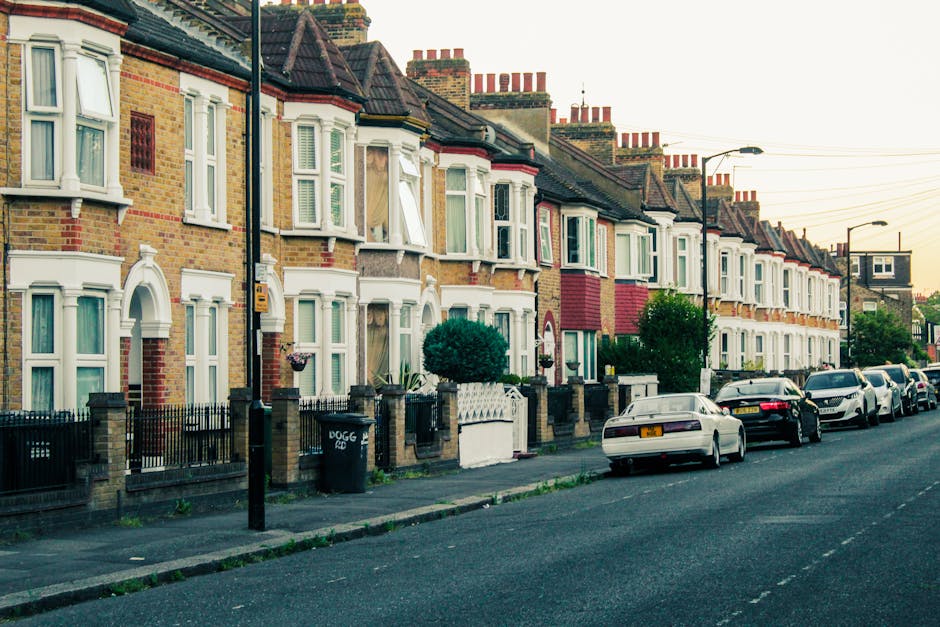
Prince of Wales Drive house removals access tips for Battersea
Moving home on Prince of Wales Drive can feel straightforward on paper, then suddenly a van is circling, a lift is busy, and the front door seems to have shrunk overnight. That is usually where good planning saves the day. This guide on Prince of Wales Drive house removals access tips for Battersea is designed to help you avoid the usual bottlenecks: parking, loading, building access, timing, neighbour awareness, and those small details that become big problems when ignored. If you are preparing a flat move, a family house removal, or a same-day load-out in SW11, the practical advice below should make the whole thing feel much more manageable.
Truth be told, most moving stress on streets like Prince of Wales Drive does not come from the lifting itself. It comes from access. Can the vehicle stop safely? Is there enough room for a tail-lift? Do you need to protect a communal hallway? Will a delivery truck block the flow of traffic at the worst possible moment? Those are the questions worth answering early. And yes, the answer is almost always "plan it sooner than you think."
Table of Contents
- Why Prince of Wales Drive house removals access tips for Battersea Matters
- How Prince of Wales Drive house removals access tips for Battersea Works
- Key Benefits and Practical Advantages
- Who This Is For and When It Makes Sense
- Step-by-Step Guidance
- Expert Tips for Better Results
- Common Mistakes to Avoid
- Tools, Resources and Recommendations
- Law, Compliance, Standards, or Best Practice
- Options, Methods, or Comparison Table
- Case Study or Real-World Example
- Practical Checklist
- Conclusion
- Frequently Asked Questions
Why Prince of Wales Drive house removals access tips for Battersea Matters
Prince of Wales Drive sits in a part of Battersea where traffic flow, parking pressure, and building layouts can all shape the moving day experience. Even if you are only shifting a few rooms, access still affects timing, safety, and cost. A mover who can park close to the entrance will work faster. A mover who has to carry wardrobes around a bend, up steps, or across a busy pavement will need more time and more care.
That matters for more than convenience. In practice, poor access can lead to extra labour time, a second trip, awkward handling of bulky items, and avoidable delays for everyone involved. It can also make local residents less happy, which is never ideal on a residential road where people notice what is happening outside their front windows. You know the scene: a van idling, someone trying to hold a doorway open, a neighbour wanting to get through with a buggy. Small things, but they add up fast.
Good access planning also supports better decision-making. If you understand the site properly, you can choose the right vehicle, the right team size, and the right moving window. That is especially useful if you are comparing services like home moves with more flexible options such as a man and van service or moving truck hire. The right match is often the one that fits the street, not just the inventory list.
Expert summary: On a road like Prince of Wales Drive, access is not a side issue. It is part of the move itself. The smoother the access, the safer, faster, and less disruptive the whole job tends to be.
How Prince of Wales Drive house removals access tips for Battersea Works
In practical terms, access planning starts before moving day. A good removals plan looks at the route, the parking position, the building entrance, the internal layout, and the likely pressure points. That can mean checking whether the vehicle can stop close enough for efficient loading, whether there is a lift, whether a stairwell is narrow, and whether any parts of the property are difficult to reach with large furniture.
For Battersea streets, there is often a balancing act between street space and time. A large vehicle may reduce the number of trips, but it might be harder to position. A smaller van may be easier to place near the property, but it could require extra runs. There is no single correct answer. It depends on what you are moving, how far it must travel from door to vehicle, and how much obstruction the road or building creates.
There is also the human side. Moving day can feel hectic even with a well-organised plan. People are standing in hallways, someone is on the phone to a landlord, boxes are labelled in a rush, and the kettle is somehow still in the kitchen. In that environment, even a modest access issue can snowball. So the best removals plans keep things simple: clear instructions, clear timing, and clear ownership of the tricky bits.
If your property has tight access, flat-level loading, or a more complicated route from the door to the street, it may be worth looking at specialist support such as house removalists or the more flexible packing support offered through packing and unpacking services. The more the mover understands in advance, the less improvisation is needed on the day. And improvisation, frankly, is overrated when a sofa is involved.
Key Benefits and Practical Advantages
Strong access planning gives you a lot back for a relatively small amount of effort. It is one of those areas where a few sensible decisions can reduce stress in several different ways at once.
- Faster loading and unloading: Shorter carrying distances usually mean quicker work and fewer interruptions.
- Lower risk of damage: Fewer awkward turns, lifts, and squeezes reduce the chance of scuffed walls, chipped furniture, or strained backs.
- Better cost control: When the mover can estimate access accurately, pricing tends to be more realistic and less likely to jump on the day.
- Less disruption to neighbours: Good planning helps keep pavements, entrances, and shared spaces clearer.
- Safer handling of heavy items: Access that has been thought through properly gives the team room to manoeuvre.
- More accurate vehicle choice: You are less likely to overbook a vehicle that is too large or underbook one that is too small.
Another advantage is confidence. It is easier to stay calm when you know the plan. That sounds obvious, but on moving day calm is a resource. You do not want to spend it all before lunch.
There is also a commercial benefit if you are comparing providers. A company that asks sensible questions about access is usually showing the right kind of attention to detail. For example, if they ask about stair width, loading distance, parking, or lift availability, that is a good sign. If they only ask "how many rooms?" and then disappear into guesswork, be cautious.
Who This Is For and When It Makes Sense
This advice is useful for a wide range of movers in Battersea, but it is especially relevant if your property is in a dense residential stretch, a block of flats, or a house with limited front access. It also matters if your move involves bulky items, a full family household, or a tight schedule.
You will find this most helpful if you are:
- moving from a flat with shared entrance areas
- handling furniture that needs careful manoeuvring
- moving on a busy day or during school-run traffic windows
- trying to keep the total move time under control
- booking a service for the first time and not sure what access details matter
- coordinating with landlords, managing agents, or neighbours
It also makes sense if you are not using a full removals team. Even with a lighter option like a man with van service, access can make or break the job. A smaller service is often more flexible, but that does not mean access issues disappear. If anything, they become more visible because the margin for error is smaller.
To be fair, some people only realise access matters when the first box is already halfway down the stairs. That happens. But if you are reading this before moving day, you are already in a better position than most.
Step-by-Step Guidance
Here is a practical way to handle access planning for a Prince of Wales Drive move without overcomplicating it.
- Survey the route from property to vehicle. Walk it slowly. Notice steps, tight corners, door swings, low railings, and anything that could slow carrying.
- Measure the awkward bits. Not everything needs a tape measure, but door widths, stair landings, and lift dimensions are worth checking for large furniture.
- Confirm parking and stopping space. Think about where the vehicle can stop, how long it can stay, and whether access could be blocked by traffic at busy times.
- List the bulky items first. Wardrobes, sofas, mattresses, white goods, beds, and dining tables are usually the access problem items.
- Check building rules. Some buildings require advance notice, lift booking, or protective coverings in communal areas.
- Plan the packing order. Items needed last should be loaded first, and anything fragile or awkward should be clearly labelled.
- Share access notes with the mover. A short written summary helps. Include floor level, lift availability, parking restrictions, and any timing constraints.
- Prepare for the last 10 metres. That final stretch from hallway to van is often the slowest. Keep it clear.
A helpful way to think about it is this: the move is not only the room-by-room packing. It is the route, the rhythm, and the exits. If one part is slow, the whole process slows. Simple as that.
For some homes, a more tailored service is sensible. If your property is especially awkward, you may want a provider that can support both transport and loading, or one that offers the right vehicle through removal truck hire. And if you are moving part of a household rather than the whole place, a smaller-volume option can be more efficient.
Expert Tips for Better Results
There are a few small tricks that make a real difference in Battersea moves, especially where access is limited or the street is busy.
1. Treat timing as part of access
People often think access is only physical. It is not. Time matters too. A good parking spot at 8 a.m. can become a poor one by 10 a.m. If your road gets busier later in the morning, build that into the plan.
2. Keep a "first off" box separate
Label one box with kettle, basic tools, chargers, toiletries, and tea. You will thank yourself later, probably around the moment you realise the kettle has vanished into the moving mountain.
3. Protect the route, not just the furniture
Door frames, hallway corners, and stair banisters often suffer more than the sofa. Good movers think about both. If needed, use coverings or blankets to reduce knocks and scrapes.
4. Use realistic load sequencing
Heavy, awkward items should be loaded in a way that helps balance the vehicle and supports safe unloading. This sounds technical, but in practice it means not burying every box you need first behind the sofa and the washing machine. A bit of thought now saves grumbling later.
5. Keep communication short and clear
If you are speaking to building management, neighbours, or the removals team, clear and direct is best. Over-explaining usually helps no one. "The lift is booked for 9:30 and the van can park at the front entrance for 20 minutes" is better than a long email that nobody has time to read.
If you are moving from a more complicated local street as well, it can help to compare notes with related Battersea guides such as Battersea Power Station removals access tips SW11 or the practical advice in tight-access solutions for flat removals. Similar challenges, different streets. That is London for you.
Common Mistakes to Avoid
The most common access mistakes are usually not dramatic. They are small assumptions that turn into delays.
- Assuming the van will fit without checking. Roads can look wider than they are, especially once parked cars and traffic are involved.
- Forgetting building restrictions. Some properties have specific moving times, lift booking rules, or access instructions.
- Underestimating carrying distance. Ten metres can become fifty if the only stopping point is farther away than expected.
- Not warning the team about heavy items. A piano, American fridge, or large wardrobe needs more planning than a standard box.
- Leaving boxes unlabelled. This slows unloading and creates extra back-and-forth.
- Ignoring neighbour access. Blocking a shared path or entrance without warning can create avoidable friction.
- Booking too late for busy periods. Same-day slots do exist, but they are less forgiving if your access is awkward. See same-day Battersea removals availability and pricing for more context on that kind of move.
One more thing. Do not assume "we only have a few items" means access does not matter. A single sofa can cause more trouble than a whole room of boxes. Funny how that works.
Tools, Resources and Recommendations
You do not need a huge toolkit to manage access well, but a few practical items help a lot.
- Measuring tape: Useful for checking doorways, stair landings, and furniture dimensions.
- Phone camera: Quick photos of parking spaces, entrances, or tight hallways can help your mover understand the layout before arriving.
- Labels and marker pens: Clear room labels speed up unloading and reduce confusion.
- Protective blankets or covers: Helpful for awkward edges and shared spaces.
- Gloves and sturdy footwear: Basic safety really matters when lifting or carrying items across uneven surfaces.
- Building contact details: Handy if you need quick confirmation on lift access or time windows.
For people who want a bit more help, services such as packing support, furniture pick-up, or a flexible moving truck can be the right fit depending on what is actually being moved. Sometimes the smartest choice is not the biggest service; it is the one that fits the access challenge without overspending.
You can also read broader advice on planning a smooth move through efficient packing and planning for a low-stress moving day and the right way to pack clothes and linens for moving. Those guides are especially helpful if you want the home side of the move to be as organised as the street-side side.
Law, Compliance, Standards, or Best Practice
For most home removals on Prince of Wales Drive, the compliance picture is practical rather than complicated. You are mainly dealing with parking, loading, building rules, neighbour considerations, and safe handling. That said, you should still take local restrictions seriously.
In Battersea and wider London, best practice usually means checking whether a vehicle can stop legally and safely, avoiding obstruction of driveways or entrances, and respecting any building-specific move instructions. If your block has a lift booking system or a moving slot, use it. If communal areas need protection, arrange it. If parking could be restricted, plan alternatives in advance rather than hoping for the best.
Safety is the other big point. Good removals practice includes sensible lifting, not overloading boxes, and using enough people for bulky items. If a piece of furniture is too awkward for one person to handle safely, it should be treated that way. No heroic improvisation needed. Honestly, the floor and the wall will not appreciate it.
If you are disposing of items during the move, remember that local waste handling rules can apply. It is worth reviewing how unwanted belongings will be cleared, especially if you are leaving furniture behind or doing a partial declutter before moving day. The guide on waste disposal after a Battersea move is useful for that part of the process.
Options, Methods, or Comparison Table
Choosing the right removal approach depends on how difficult access is and how much you are moving. Here is a simple comparison to help frame the decision.
| Option | Best for | Strengths | Watch-outs |
|---|---|---|---|
| Full home removal team | Larger household moves, heavy furniture, tighter access | More hands, structured loading, less stress for you | Can be more than you need for a small move |
| Man and van | Smaller loads, flexible timing, short-distance moves | Often nimble on busy streets, simple booking | May not suit very bulky or complex moves alone |
| Man with van | Single-item or lighter moves, partial loads | Good for speed and flexibility | Less capacity for multiple large items |
| Truck hire | More volume, self-managed moving, planned loading | Useful if you have a lot to move in one go | Requires careful parking and loading control |
There is no universal winner here. If your access is tricky but the load is manageable, a smaller, more agile setup may be better. If your access is straightforward but the volume is high, a larger vehicle and fuller team may make more sense. A good provider should help you think that through rather than pushing you into the biggest option.
Case Study or Real-World Example
Here is a realistic example from a Battersea-style move. A couple relocating from a top-floor flat wanted to keep the process quick because they had a narrow window for lift use. The road outside was busy, and the nearest stopping point was not directly outside the entrance. Nothing unusual, but enough to matter.
They did three things well. First, they photographed the entrance route and sent it ahead of time. Second, they separated the heavy furniture from the lighter boxes so the team could load in a sensible order. Third, they booked a moving window that avoided the noisiest traffic period and gave a little breathing room for parking. Result? The move still involved effort, of course, but it stayed orderly. No last-minute panic, no repeated trips back for forgotten labels, and no argument over which box held the bedding. Which, let's be honest, is a victory in itself.
What made the difference was not magic. It was simply that access was treated as part of the move plan rather than something to improvise on the day. That is the bigger lesson for Prince of Wales Drive too. The route to the van matters as much as the van itself.
Practical Checklist
Use this before moving day to make sure your access plan is solid.
- Confirmed the exact moving date and time window
- Checked parking options and stopping space near the property
- Measured any narrow doors, stairs, or lift openings
- Noted bulky, fragile, or unusually heavy items
- Booked lift access or building permissions if needed
- Shared access notes with the removals team
- Prepared labels for boxes and key furniture
- Cleared the hallway, entrance, and any shared route
- Set aside essentials for immediate access at the new place
- Reviewed disposal or donation plans for unwanted items
If you can tick off most of that list, you are already ahead of the curve. Not perfect, maybe. But properly prepared, which is what actually counts.
Get a free quote today and see how much you can save.
Conclusion
Prince of Wales Drive house removals access tips for Battersea come down to one simple idea: know the route before the boxes start moving. Once you have checked parking, building access, carrying distances, timing, and the shape of your load, the rest becomes much easier to control. That does not remove every moving-day wrinkle, but it does reduce the kind that waste time, money, and patience.
If you are planning a move soon, give access the same attention you give to packing. That one step can make the whole day feel less chaotic and a lot more human. And on a busy London street, that is worth quite a lot.
Frequently Asked Questions
What should I check first for a Prince of Wales Drive move?
Start with parking and the route from the property to the vehicle. If that part is unclear, the rest of the plan becomes guesswork. After that, check stairs, lifts, and any building rules that might affect timing.
Do I need to measure doors and stairs before moving?
Yes, if you have large furniture or bulky appliances. Even rough measurements can help you avoid nasty surprises with wardrobes, sofas, or beds. A quick tape measure check is usually enough.
Is a man and van service suitable for Battersea flat moves?
Often, yes, especially for smaller loads or shorter moves. The key is access. If parking is tight and the load is light to moderate, a more flexible service can work very well.
What if the van cannot park directly outside?
Then the carrying distance becomes part of the job. That does not automatically mean the move will be difficult, but it may take longer and require better planning. Tell the mover in advance so they can prepare properly.
Should I tell the removals company about my building lift?
Absolutely. Lift access affects speed, loading order, and sometimes whether protective coverings are needed. If the lift must be booked, that detail matters even more.
How early should I plan access for house removals?
As early as possible. For a straightforward move, a few days may be enough to sort the basics. For a tight-access property or a busy moving date, earlier planning is much safer.
What is the biggest mistake people make with access?
Assuming it will sort itself out on the day. It usually does not. Parking, entrances, and shared spaces need clear thought, especially in a residential area like Battersea.
Can packing help with access problems?
Yes. Well-packed, clearly labelled boxes reduce time spent at the property and make loading more efficient. Professional packing help can also reduce stress if time is short.
Do I need permission for parking or loading?
That depends on the location, the building, and local restrictions. Check in advance rather than assuming temporary stopping will be fine. If in doubt, ask the relevant building or parking contact.
How do I prepare a flat for a tight-access move?
Clear hallways, disassemble bulky furniture where possible, label everything, and share photos or notes with the mover. A tight-access move is much easier when the route is uncluttered and the team knows what to expect.
What if I have a last-minute move and access is complicated?
Stay calm and focus on the essentials: parking, route, and the largest items. If you need to move quickly, a service that handles urgent jobs may help, but give as much detail as you can so there are no surprises. The more honest the brief, the better the result.
How can I reduce damage in shared hallways?
Use protective coverings where needed, move steadily rather than rushing, and keep the route clear. Shared spaces deserve the same care as your own furniture, maybe more. Neighbours remember that sort of thing.